Tobacco Formers and Growers facing Problems
🗓 17 Jun 2026
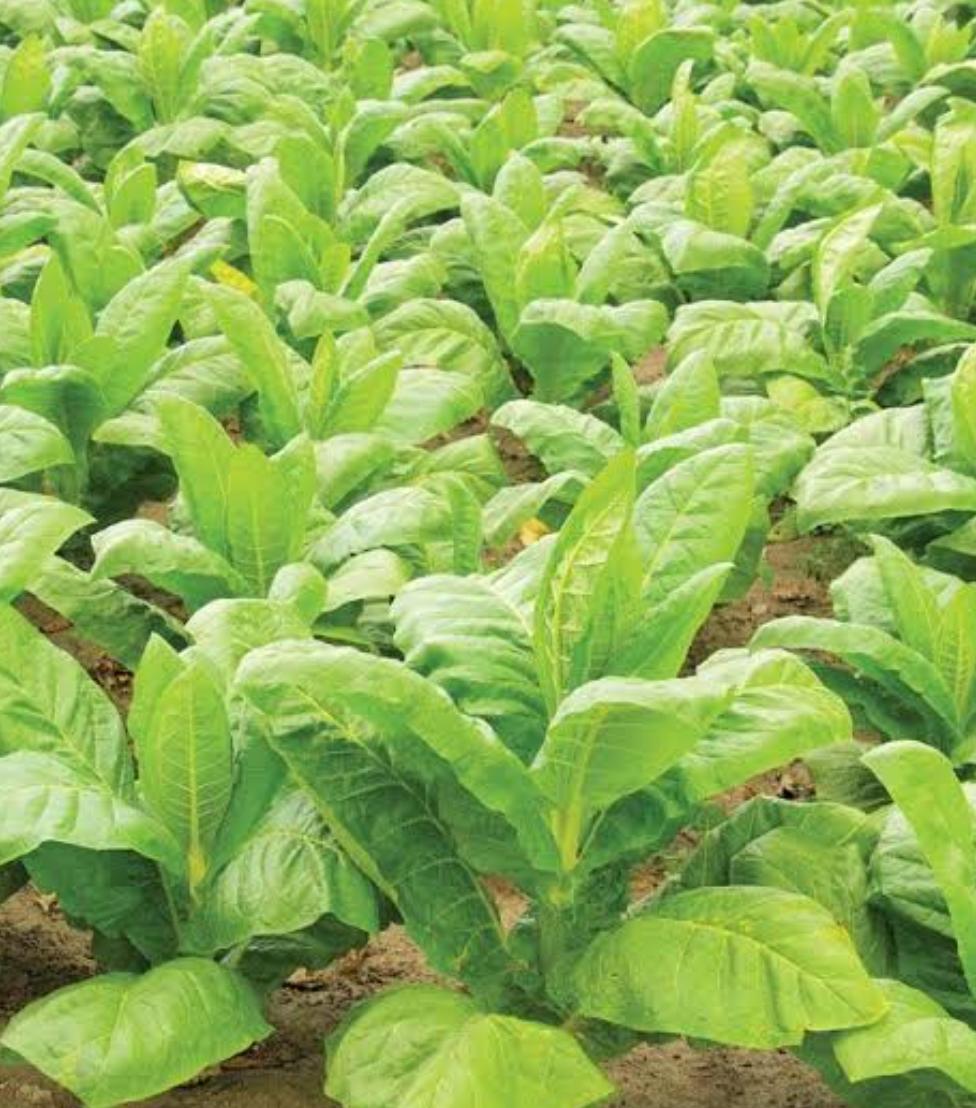
*Tobacco Farmers in Mardan, Swabi and Buner Say Rs390 Advance Tax Burden Ultimately Falls on Growers, Exports and Rural Economy*
MARDAN (Special Correspondent): Tobacco growers and farmers associated with the tobacco sector in Mardan, Swabi and Buner have stated that a recent press conference by a tobacco company argued that the Rs390 per kilogram Advance Federal Excise Duty (FED) does not directly apply to tobacco farmers and therefore has no impact on farmers’ income or tobacco prices. While this may be legally correct, they said the economic reality is far more complex.
According to the farmers, economic principles worldwide demonstrate that any additional financial burden imposed on a sector eventually passes down the supply chain to its weakest link. In the tobacco sector, that weakest link is the small and financially vulnerable farmer.
If the Tax Is Not a Problem, Why Are Buyers Declining?
In addition to the Rs390 per kilogram Advance FED, export tobacco is also subject to a Federal Cess of Rs16.35 per kilogram and a Provincial Cess of Rs27.50 per kilogram. These payments must be made at the time of tobacco procurement, regardless of whether export orders are ultimately secured.
As a result:
- Dealers and exporters have their capital tied up before purchasing begins.
- Small and medium-sized buyers are gradually leaving the market.
- Overall procurement volumes decline.
- Farmers face fewer competing buyers for their produce.
Farmers argue that while the tax may legally be paid by companies or dealers, its economic impact is ultimately borne by growers through lower prices and reduced demand.
Major Challenge for Exporters
The company highlighted a 29.5 percent decline in exports during its press conference. However, farmers contend that the current quota and taxation system is also a significant factor behind the decline.
The Pakistan Tobacco Board invites applications for the following year’s requirements and export quotas in December, while the tobacco crop only reaches the market in July of the following year.
At the time quota applications are submitted:
- The crop volume is unknown.
- Quality cannot be determined.
- Market prices are uncertain.
- International buyers’ orders are not yet available.
Under such circumstances, exporters are reluctant to take the risk of obtaining quotas worth millions of rupees when future export orders remain uncertain.
Exporters who obtain quotas must bear:
- Rs390 per kilogram Advance FED
- Rs16.35 per kilogram Federal Cess
- Rs27.50 per kilogram Provincial Cess
In addition to costs associated with purchasing, storage, warehousing, financing and transportation.
Without confirmed export orders, significant capital remains tied up unproductively. Consequently, many exporters avoid purchasing tobacco, directly affecting farmers.
The Greatest Burden Falls on Small Farmers
Farmers invest throughout the year by:
- Preparing land,
- Purchasing seeds,
- Applying fertilizers and pesticides,
- Paying labor and irrigation costs,
- Often borrowing money to finance cultivation.
However, when the crop is ready and buyers are limited, farmers are forced either to sell at lower prices or wait extended periods for payment.
According to farmers, the consequences include:
- Rising rural indebtedness,
- Increased poverty,
- Negative impacts on children's education and healthcare,
- Reduced cultivation in subsequent years,
- Weakening of the rural economy.
They argue that claiming the tax has no connection to farmers does not fully reflect the economic realities of the sector.
Impact on Local Industry and Employment
Farmers noted that while multinational companies possess substantial financial resources, Pakistan’s local tobacco industry, dealers and exporters face severe financial pressure due to these taxes and cesses.
As a result:
- Tobacco procurement declines,
- Investment slows,
- Employment opportunities for workers decrease,
- Transport, packaging, loading, warehousing and other related sectors suffer losses.
Impact on Khyber Pakhtunkhwa’s Economy
Tobacco is not merely a crop but a major pillar of the economy in several districts of Khyber Pakhtunkhwa, particularly Swabi, Mardan, Charsadda, Mansehra, Buner and surrounding areas.
When tobacco procurement declines, the effects extend beyond farmers and impact:
- Shopkeepers,
- Transporters,
- Warehouse owners,
- Laborers,
- Agricultural input suppliers,
- Fertilizer dealers,
- Local businesses.
Thus, the effects of a single tax reverberate throughout the rural economic system.
Is the Government Really Benefiting?
Farmers acknowledged that the Rs390 per kilogram tax may generate immediate revenue for the government. However, they argued that if it leads to reduced procurement, lower exports, declining employment and shrinking business activity, overall national income may also suffer.
They maintained that greater economic activity generally results in higher tax revenues, whereas excessive financial burdens can restrict business growth and investment.
The Way Forward
Farmers urged the government to review:
- The Rs390 per kilogram Advance FED,
- The Rs16.35 per kilogram Federal Cess,
- The Rs27.50 per kilogram Provincial Cess imposed on export tobacco.
They believe that relieving export tobacco from these upfront financial burdens could significantly boost Pakistan’s exports, farmers’ incomes, rural employment and foreign exchange earnings.
According to the farmers, the real question is not who legally pays the tax, but who ultimately bears its economic burden. Under the current system, they argue, the burden falls largely on tobacco growers, local industry, exporters, workers and the rural economy of Khyber Pakhtunkhwa.
MARDAN (Special Correspondent): Tobacco growers and farmers associated with the tobacco sector in Mardan, Swabi and Buner have stated that a recent press conference by a tobacco company argued that the Rs390 per kilogram Advance Federal Excise Duty (FED) does not directly apply to tobacco farmers and therefore has no impact on farmers’ income or tobacco prices. While this may be legally correct, they said the economic reality is far more complex.
According to the farmers, economic principles worldwide demonstrate that any additional financial burden imposed on a sector eventually passes down the supply chain to its weakest link. In the tobacco sector, that weakest link is the small and financially vulnerable farmer.
If the Tax Is Not a Problem, Why Are Buyers Declining?
In addition to the Rs390 per kilogram Advance FED, export tobacco is also subject to a Federal Cess of Rs16.35 per kilogram and a Provincial Cess of Rs27.50 per kilogram. These payments must be made at the time of tobacco procurement, regardless of whether export orders are ultimately secured.
As a result:
- Dealers and exporters have their capital tied up before purchasing begins.
- Small and medium-sized buyers are gradually leaving the market.
- Overall procurement volumes decline.
- Farmers face fewer competing buyers for their produce.
Farmers argue that while the tax may legally be paid by companies or dealers, its economic impact is ultimately borne by growers through lower prices and reduced demand.
Major Challenge for Exporters
The company highlighted a 29.5 percent decline in exports during its press conference. However, farmers contend that the current quota and taxation system is also a significant factor behind the decline.
The Pakistan Tobacco Board invites applications for the following year’s requirements and export quotas in December, while the tobacco crop only reaches the market in July of the following year.
At the time quota applications are submitted:
- The crop volume is unknown.
- Quality cannot be determined.
- Market prices are uncertain.
- International buyers’ orders are not yet available.
Under such circumstances, exporters are reluctant to take the risk of obtaining quotas worth millions of rupees when future export orders remain uncertain.
Exporters who obtain quotas must bear:
- Rs390 per kilogram Advance FED
- Rs16.35 per kilogram Federal Cess
- Rs27.50 per kilogram Provincial Cess
In addition to costs associated with purchasing, storage, warehousing, financing and transportation.
Without confirmed export orders, significant capital remains tied up unproductively. Consequently, many exporters avoid purchasing tobacco, directly affecting farmers.
The Greatest Burden Falls on Small Farmers
Farmers invest throughout the year by:
- Preparing land,
- Purchasing seeds,
- Applying fertilizers and pesticides,
- Paying labor and irrigation costs,
- Often borrowing money to finance cultivation.
However, when the crop is ready and buyers are limited, farmers are forced either to sell at lower prices or wait extended periods for payment.
According to farmers, the consequences include:
- Rising rural indebtedness,
- Increased poverty,
- Negative impacts on children's education and healthcare,
- Reduced cultivation in subsequent years,
- Weakening of the rural economy.
They argue that claiming the tax has no connection to farmers does not fully reflect the economic realities of the sector.
Impact on Local Industry and Employment
Farmers noted that while multinational companies possess substantial financial resources, Pakistan’s local tobacco industry, dealers and exporters face severe financial pressure due to these taxes and cesses.
As a result:
- Tobacco procurement declines,
- Investment slows,
- Employment opportunities for workers decrease,
- Transport, packaging, loading, warehousing and other related sectors suffer losses.
Impact on Khyber Pakhtunkhwa’s Economy
Tobacco is not merely a crop but a major pillar of the economy in several districts of Khyber Pakhtunkhwa, particularly Swabi, Mardan, Charsadda, Mansehra, Buner and surrounding areas.
When tobacco procurement declines, the effects extend beyond farmers and impact:
- Shopkeepers,
- Transporters,
- Warehouse owners,
- Laborers,
- Agricultural input suppliers,
- Fertilizer dealers,
- Local businesses.
Thus, the effects of a single tax reverberate throughout the rural economic system.
Is the Government Really Benefiting?
Farmers acknowledged that the Rs390 per kilogram tax may generate immediate revenue for the government. However, they argued that if it leads to reduced procurement, lower exports, declining employment and shrinking business activity, overall national income may also suffer.
They maintained that greater economic activity generally results in higher tax revenues, whereas excessive financial burdens can restrict business growth and investment.
The Way Forward
Farmers urged the government to review:
- The Rs390 per kilogram Advance FED,
- The Rs16.35 per kilogram Federal Cess,
- The Rs27.50 per kilogram Provincial Cess imposed on export tobacco.
They believe that relieving export tobacco from these upfront financial burdens could significantly boost Pakistan’s exports, farmers’ incomes, rural employment and foreign exchange earnings.
According to the farmers, the real question is not who legally pays the tax, but who ultimately bears its economic burden. Under the current system, they argue, the burden falls largely on tobacco growers, local industry, exporters, workers and the rural economy of Khyber Pakhtunkhwa.